


Annual fee
$0
Primary cardholder
RateBuddyCredit card guide
Best Credit Cards for Poor Credit or Credit Rebuilding in Canada
- Fact checked
- Credit-building focus
- Eligibility guidance
RateBuddy Card Insight
Written by
 Reviewed
Credit rebuilding should feel practical and encouraging
If you are rebuilding credit, the right card should be clear about fees, deposits, eligibility, and reporting. RateBuddy helps compare credit-building options in a friendly way so you can focus on steady progress.
What to compare
- Deposit or security requirement
- Monthly and annual fees
- Credit bureau reporting
- Eligibility and responsible-use fit
Smart Card Filter
Auto-updates results
Compare Credit Building Cards — October 2026
Last updated
Use the filters to shape the card results below. Adjust your monthly spend, narrow by provider, or highlight no-fee and welcome-bonus options — RateBuddy will quietly refresh the list so the results stay connected to your choices.
Ready to refine
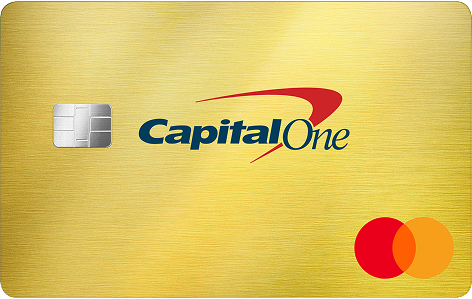
Annual fee
$0
Purchase APR
29.90%
Cash advance
29.90%
 CAPITAL ONE CANADA
Best for
No Annual Fee
Secured Cards
Best for
No Annual Fee
Secured Cards
Card essentials
Rates, fees and requirements
The important numbers, organized so they are easy to scan and compare.
Purchase APR
29.90%
Regular purchase rate
Cash advance APR
29.90%
Cash transaction rate
Balance transfer APR
—
When available
Foreign transaction fee
—
Foreign-currency purchases
Additional card fee
$0
Supplementary cardholder
Before you apply
Eligibility snapshot
Recommended credit score
Poor
Minimum personal income
$0
Minimum household income
—
Approval, rates and credit limits are determined by the card provider.
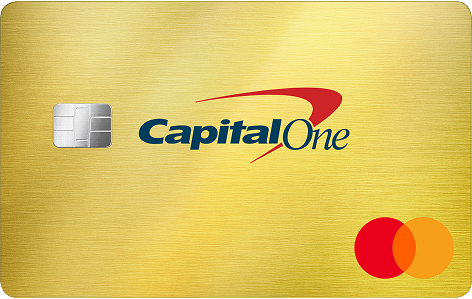
Annual fee
$0
Purchase APR
29.90%
Cash advance
29.90%
CAPITAL ONE CANADA
Best for
No Annual Fee
Secured Cards
Best for
No Annual Fee
Secured Cards
Card essentials
Rates, fees and requirements
The important numbers, organized so they are easy to scan and compare.
Annual fee
$0
Primary cardholder
Purchase APR
29.90%
Regular purchase rate
Cash advance APR
29.90%
Cash transaction rate
Balance transfer APR
—
When available
Foreign transaction fee
—
Foreign-currency purchases
Additional card fee
$0
Supplementary cardholder
Before you apply
Eligibility snapshot
Recommended credit score
Poor
Minimum personal income
$0
Minimum household income
—
Approval, rates and credit limits are determined by the card provider.

Annual fee
$0
Purchase APR
—
 CIBC
CIBC
Best for
Low Interest
No Annual Fee
Business
Best for
Low Interest
No Annual Fee
Business
Card essentials
Rates, fees and requirements
The important numbers, organized so they are easy to scan and compare.
Annual fee
$0
Primary cardholder
Purchase APR
—
Regular purchase rate
Cash advance APR
—
Cash transaction rate
Balance transfer APR
—
When available
Foreign transaction fee
—
Foreign-currency purchases
Additional card fee
—
Supplementary cardholder
Before you apply
Eligibility snapshot
Recommended credit score
—
Minimum personal income
$15,000
Minimum household income
—
Approval, rates and credit limits are determined by the card provider.
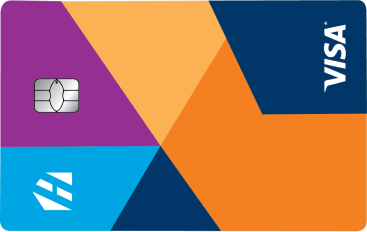
Annual fee
$0
Purchase APR
19.99%
 Home Trust
Best for
No Annual Fee
Secured Cards
Newcomer
Best for
No Annual Fee
Secured Cards
Newcomer
Card essentials
Rates, fees and requirements
The important numbers, organized so they are easy to scan and compare.
Annual fee
$0
Primary cardholder
Purchase APR
19.99%
Regular purchase rate
Cash advance APR
—
Cash transaction rate
Balance transfer APR
—
When available
Foreign transaction fee
—
Foreign-currency purchases
Additional card fee
—
Supplementary cardholder
Before you apply
Eligibility snapshot
Recommended credit score
—
Minimum personal income
—
Minimum household income
—
Approval, rates and credit limits are determined by the card provider.
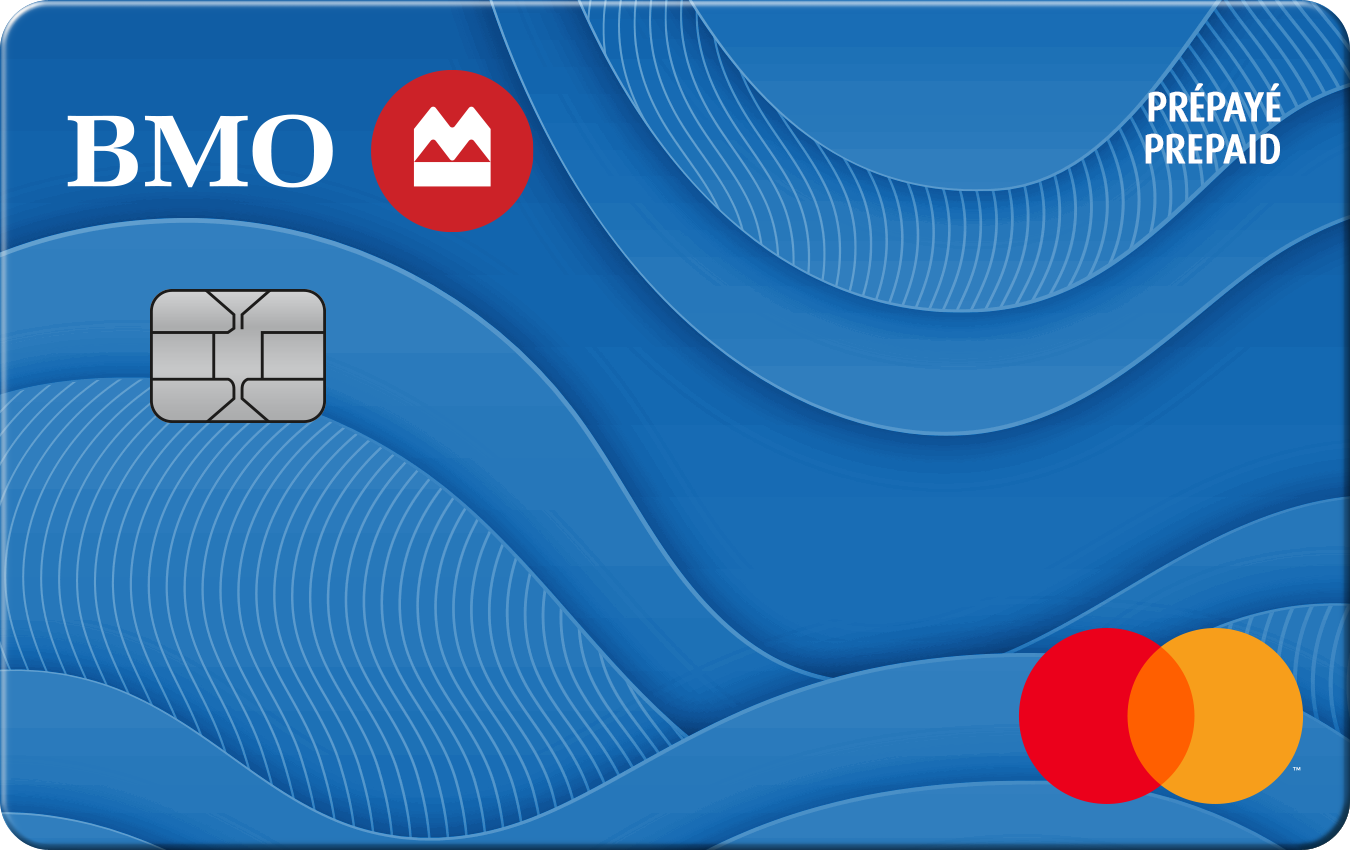
Annual fee
$9.99
Purchase APR
0%
Cash advance
0%
 BMO Bank of Montreal
Best for
Student
Secured Cards
Newcomer
Best for
Student
Secured Cards
Newcomer
Card essentials
Rates, fees and requirements
The important numbers, organized so they are easy to scan and compare.
Annual fee
$9.99
Primary cardholder
Purchase APR
0%
Regular purchase rate
Cash advance APR
0%
Cash transaction rate
Balance transfer APR
—
When available
Foreign transaction fee
—
Foreign-currency purchases
Additional card fee
—
Supplementary cardholder
Before you apply
Eligibility snapshot
Recommended credit score
—
Minimum personal income
—
Minimum household income
—
Approval, rates and credit limits are determined by the card provider.
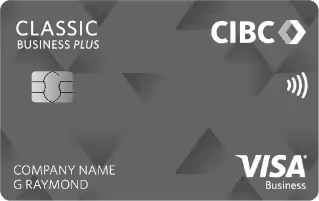
Annual fee
$20
Purchase APR
19.99%
Cash advance
22.99%
Card essentials
Rates, fees and requirements
The important numbers, organized so they are easy to scan and compare.
Annual fee
$20
Primary cardholder
Purchase APR
19.99%
Regular purchase rate
Cash advance APR
22.99%
Cash transaction rate
Balance transfer APR
—
When available
Foreign transaction fee
—
Foreign-currency purchases
Additional card fee
$20
Supplementary cardholder
Before you apply
Eligibility snapshot
Recommended credit score
—
Minimum personal income
—
Minimum household income
—
Approval, rates and credit limits are determined by the card provider.
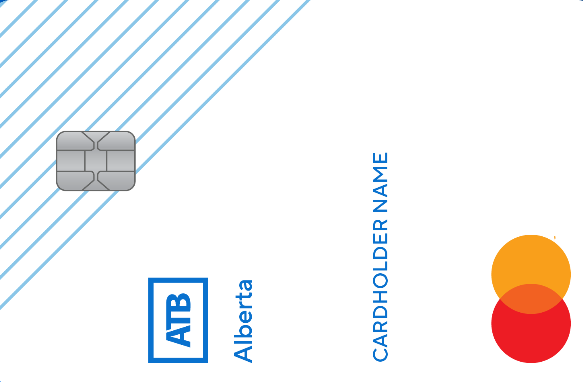
Annual fee
$49
Purchase APR
19.99%
Cash advance
22.99%

Card essentials
Rates, fees and requirements
The important numbers, organized so they are easy to scan and compare.
Annual fee
$49
Primary cardholder
Purchase APR
19.99%
Regular purchase rate
Cash advance APR
22.99%
Cash transaction rate
Balance transfer APR
—
When available
Foreign transaction fee
2.90%
Foreign-currency purchases
Additional card fee
$25
Supplementary cardholder
Before you apply
Eligibility snapshot
Recommended credit score
—
Minimum personal income
—
Minimum household income
—
Approval, rates and credit limits are determined by the card provider.
Approval Assistant
Struggling to Get Approved?
Don't risk a rejection. Select your situation below to find cards designed to say "Yes".
Not sure where you stand?
Check your Credit Score for Free
RateBuddy
Math. Not Marketing.
We calculate the true value to save you every penny.
Data-Driven Logic
Rankings based on hard numbers (fees vs rewards), not advertising budgets.
100% Unbiased
We highlight the "gotchas" and fees just as clearly as the perks.
Direct & Secure
No data harvesting. We send you straight to the bank's secure official site.
RATEBUDDY TOOLKIT
Crunch The Numbers
See exactly how much you can save, earn, or pay off.
Explore the Ecosystem
Discover more ways to save, earn, and optimize your wallet.
Not sure what you need?
Explore other possibilities.
Credit Cards is great, but sometimes a different card fits your lifestyle better. Use our Smart Finder to see what else you qualify for.
Cash Back
Earn money on daily spend.
Travel Rewards
Best for frequent flyers.
SPEC SHEET
Find best cards by features:
Filter our database by the specific perks and coverages that matter to you.
ISSUERS
Browse by Bank & Issuer:
Filter our database to see offers from specific Canadian financial institutions.
A little clarity, before you choose
Make the card fit your life.
Explore the bigger picture, check the numbers and find the tradeoffs that matter to you.
The Canadian picture
The Bank of Canada’s 2025 survey estimates that 89% of adults owned a credit card. Credit cards accounted for 48.2% of purchases recorded in its diary by number; 31% of cardholders reported not paying their full balance in the previous month.
Source: Bank of Canada · 2025 Methods-of-Payment Survey (published August 2026)What this means for your comparisonOur interpretation: a card can be an everyday payment tool or an expensive way to borrow. The right comparison starts with how you repay, then considers rewards and benefits.
How can your first card help build credit?Start with manageable payments, a realistic limit and a reliable routine.
A first card can help you establish a record of managing an account. The most useful setup is one you can pay reliably and understand. For a student, newcomer or someone rebuilding credit, manageable costs and a repeatable routine can matter more than premium rewards.
Separate access from long-term fit
Look at eligibility, fees, the limit and how the account reports to credit bureaus. Approval is the issuer’s decision; a comparison page cannot predict it from a few personal details. A secured card requires a deposit. FCAC explains that it may be an option for newcomers or people rebuilding credit, but its terms and fees still need comparison.
A deposit also ties up money. Consider whether you can afford to leave it unavailable while maintaining a cash buffer for bills. A secured credit card and a prepaid card are different products; do not assume either has the same reporting or borrowing features. Ask the issuer what is reported and to which bureau before relying on an account to build history.
Build a routine around payments
FCAC identifies payment history as the most important credit-score factor and advises making at least the minimum on time when full repayment is not possible. It also recommends keeping credit use below 30% and limiting unnecessary applications. Those are general practices, not a formula that guarantees a particular score.
Start with a predictable purchase you already budget for, check the statement and set aside money to repay it. There is no reason in this routine to add an interest expense just to demonstrate use. If you set up automatic payments, confirm the amount selected, the funding account and what happens when funds are insufficient.
Worked example: keep the ratio understandable
A $400 balance on a $2,000 limit is 20% utilization. A $900 balance on the same limit is 45%. The percentage describes credit in use; it does not tell you whether you can afford the bill.
$400 ÷ $2,000 × 100 = 20%.
Budget for repayment in dollars as well as monitoring the ratio. Issuer reporting dates and balances can differ from what you see when you check the app, so this illustration does not promise what a bureau will record or how a score will change.
Understand what your report can and cannot tell you
Your credit report records account information and your score summarizes risk using a scoring model. FCAC explains that formulas are not public and lenders can use different models. An app’s number therefore should not be treated as a guaranteed approval threshold. Review the underlying account information and investigate errors rather than focusing only on a score change.
For a newcomer, ask whether the provider can consider other banking or credit history and which documents it needs. For a student, consider how irregular income will affect repayment. For rebuilding credit, choose a limit and payment routine that avoids repeating the difficulty you are trying to resolve. These are different situations even when the available cards overlap.
Avoid paying for complexity you do not need
Compare a full year of account costs before choosing a product because it is marketed as a credit-building solution. Look at renewal fees, service charges and whether optional services add a recurring expense. If a benefit is not useful to you, give it no value in the comparison. Keep the available limit separate from your spending budget.
When your circumstances improve, ask the issuer about its product-switch or deposit-return process. Check what happens to the account history, rewards and fees. Review an older account before closing it rather than assuming a new card is an automatic replacement for every purpose.
A steady foundation: choose an account you understand, keep purchases within your budget and make the payment routine easy to repeat.
What does carrying a balance really cost?See how interest and payment size change the money left in your pocket.
When you carry a balance, the repayment schedule can matter more than the rewards rate. Compare how much you will pay and how long you will need, using a payment you can maintain. The purchase rate alone is only one part of that picture.
Understand which balance you are paying
A statement can contain purchases, cash advances, transfers or instalments with different conditions. FCAC explains that federally regulated issuers provide a purchase grace period of at least 21 days; it does not apply to cash advances, cash-like transactions or balance transfers. Use the agreement to check how interest applies when the statement is not paid in full.
Distinguish the current balance, statement balance and minimum due. New purchases made after the statement closes are not necessarily due on that statement’s payment date. Conversely, making the minimum does not mean the account has been repaid. Match your payment to the correct statement and allow for the issuer’s processing time.
Worked example: payment size changes the result
Start with $3,000 at a hypothetical 20% APR, with no fees or new purchases. Use a simplified monthly model: interest at APR ÷ 12, followed by the payment at month-end.
| Payment per month | Time to clear | Total interest |
|---|---|---|
| $100 | 42 months | $1,193.50 |
| $200 | 18 months | $481.27 |
| $300 | 12 months | $309.13 |
These are fixed-payment examples, not an issuer’s minimum-payment formula. Actual daily interest, transaction timing and rounding can change the result. They show why a larger affordable payment changes both the timeline and total cost.
Put rewards and interest on the same scale
For a rough illustration, an unchanged $3,000 interest-bearing balance at 19.99% over 30 days produces about $49.29 using principal × APR × days ÷ 365. Meanwhile, $500 of hypothetical purchases earning 2% produces $10 in rewards. These separate illustrations show the scale of the tradeoff; they do not reproduce a statement or assume every transaction has the same interest treatment.
A rate reduction can help, but compare the account fee and expected balance as well. If the balance will be repaid quickly, a fee can use up part of the saving. If debt persists, interest becomes more important. Run both an optimistic repayment plan and a slower one rather than choosing solely from the advertised rate.
Make the plan resilient to a difficult month
Choose a regular payment that leaves room for essential expenses. Keep a separate view of planned spending and existing debt so that everyday purchases do not quietly cancel your repayment progress. An extra payment is helpful when affordable, but a plan that depends on perfect monthly income is harder to maintain.
FCAC notes that paying only the minimum extends repayment and increases interest compared with paying more; minimum-payment rules depend on the agreement and may vary by province. The statement’s minimum due remains a requirement even when your personal repayment target is higher. If your planned payment is lower than the required minimum, the plan needs to change.
Use the statement as a progress check
Track the remaining principal, interest charged and expected finish date. If the balance is not falling as planned, identify whether new purchases, fees or an unaffordable payment are responsible. After clearing a balance, inspect the following statement for any remaining charges instead of assuming a zero shown mid-cycle settles everything.
If repayment is becoming unmanageable, contact the issuer early and compare any offered arrangement by total cost. A calculator can clarify the numbers; it cannot guarantee approval for another product or resolve a budget shortfall on its own.
Prioritize a result you can maintain: an affordable payment, a falling total balance and a finish date that survives an ordinary setback.
PAYMENT NETWORKS
Browse by Network:
Filter by Visa, Mastercard, or Amex acceptance.
CARD LEVELS
Browse Cards by Tier:
From entry-level options to exclusive black cards. Find the eligibility level that fits you.
KNOWLEDGE BASE
Frequently Asked Questions
Common questions about Compare Credit Building Cards Cards and financial strategy.
Disclaimer: Information is for educational purposes only and does not constitute financial or legal advice. Terms subject to change by issuers.
Credit Utilization is the percentage of your available credit that you are currently using. For example, a $500 balance on a $1,000 limit is 50% utilization. Many financial experts suggest keeping this ratio below 30% to maintain a healthy credit score, as high utilization can be viewed as a risk factor by lenders.
It depends. If the issuer pre-approves you for an increase, it may not require a hard check. However, if you request an increase yourself, the issuer will often perform a hard inquiry to verify your current financial situation. You can ask the representative which type of check will be performed before proceeding.
Using comparison tools or checking your own credit report is typically considered a 'Soft Inquiry,' which does not affect your score. However, submitting a formal application to a bank results in a 'Hard Inquiry,' which may cause a temporary, minor decrease in your credit score.
Many student cards have more flexible income requirements compared to premium cards, sometimes requiring no specific annual income. However, applicants must typically be the age of majority in their province and provide proof of enrollment in a post-secondary institution.
Yes, provided the issuer reports to credit bureaus (Equifax/TransUnion). Secured cards require a security deposit but function like regular credit cards. Making on-time payments and keeping balances low helps build a positive payment history, which is the most significant factor in credit scoring.
Still have questions?
Visit our Financial Education Hub
FINANCIAL WELLNESS
Tools & Resources
Master your money with our suite of free calculators and guides.