


Annual fee
$0 first year
Then $120 annually
RateBuddyCredit card guide
Best 0% Balance Transfer Credit Cards in Canada
- Fact checked
- Interest costs
- Repayment focus
RateBuddy Card Insight
Written by
 Reviewed
A 0% transfer is only useful with a clear payoff plan
Introductory balance transfer offers can reduce interest costs, but fees, promotional periods, regular rates, and repayment discipline matter. RateBuddy helps compare the details so you can make a more informed decision.
What to check carefully
- Introductory rate and duration
- Balance transfer fee
- Regular interest rate afterward
- Annual fee and repayment plan
Smart Card Filter
Auto-updates results
Compare 0% Interest Offers — October 2026
Last updated
Use the filters to shape the card results below. Adjust your monthly spend, narrow by provider, or highlight no-fee and welcome-bonus options — RateBuddy will quietly refresh the list so the results stay connected to your choices.
Ready to refine
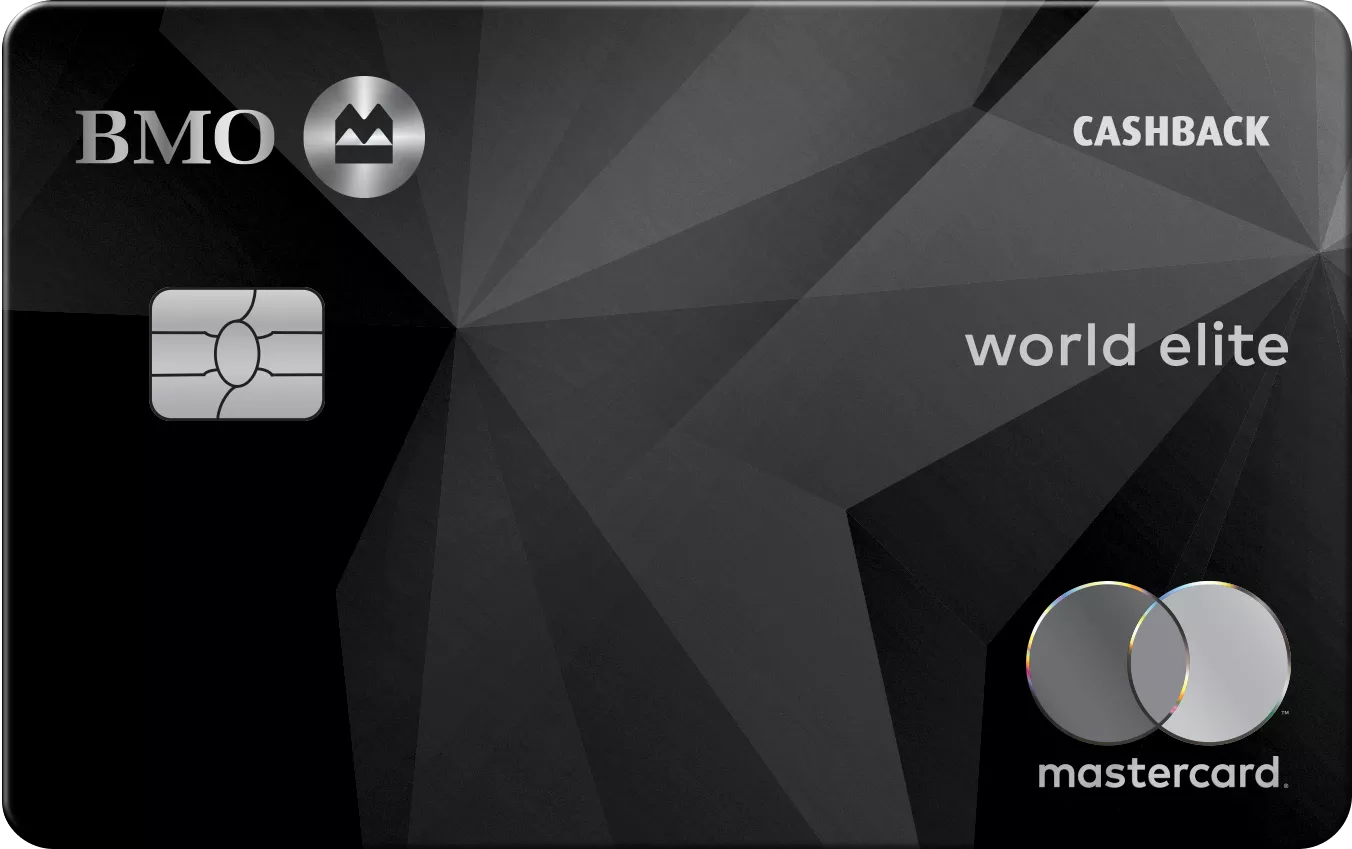
Annual fee
$120$0
First year waived
Purchase APR
21.99%
Cash advance
23.99%
 BMO Bank of Montreal
Best for
Cash Back
Balance Transfer
Premium
Best for
Cash Back
Balance Transfer
Premium
Welcome-offer value
Advertised value estimate, subject to eligibility and provider requirements
$320
Estimated rewards from spending
Based on $1,500 in monthly spending
$441
First-year annual fee
$120 first-year fee waiver applied
$120
$0
Estimated first-year card value
Welcome value + spending rewards − first-year fee
$761
View spending and reward-rate details
| Spending category | Monthly spend | Rate | Annual value |
|---|---|---|---|
| Groceries | $450 | 5% | $270 |
| Dining | $300 | 1% | $36 |
| Gas and transit | $150 | 3% | $54 |
| Travel | $75 | 1% | $9 |
| Recurring bills | $75 | 2% | $18 |
| Other purchases | $450 | 1% | $54 |
This is an estimate, not a guaranteed cash return. Actual value depends on spending, eligibility, redemption choices and meeting the provider’s offer terms. Reward rates are treated as estimated cash-equivalent percentages.
First year free
Card essentials
Rates, fees and requirements
The important numbers, organized so they are easy to scan and compare.
Purchase APR
21.99%
Regular purchase rate
Cash advance APR
23.99%
Cash transaction rate
Balance transfer APR
—
When available
Foreign transaction fee
—
Foreign-currency purchases
Additional card fee
—
Supplementary cardholder
Before you apply
Eligibility snapshot
Recommended credit score
—
Minimum personal income
$80,000
Minimum household income
$150,000
Approval, rates and credit limits are determined by the card provider.
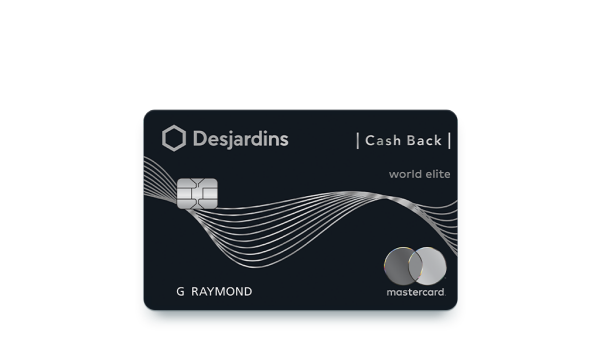
Annual fee
$100
Purchase APR
20.90%
Cash advance
21.90%
 Desjardins Group
Best for
Cash Back
Travel Rewards
Balance Transfer
Best for
Cash Back
Travel Rewards
Balance Transfer
Welcome-offer value
No current monetary welcome-offer estimate was included
$0
Estimated rewards from spending
Based on $1,500 in monthly spending
$414
First-year annual fee
Fee charged during the first year
$100
Estimated first-year card value
Welcome value + spending rewards − first-year fee
$314
View spending and reward-rate details
| Spending category | Monthly spend | Rate | Annual value |
|---|---|---|---|
| Groceries | $450 | 4% | $216 |
| Dining | $300 | 3% | $108 |
| Gas and transit | $150 | 1% | $18 |
| Travel | $75 | 1% | $9 |
| Recurring bills | $75 | 1% | $9 |
| Other purchases | $450 | 1% | $54 |
This is an estimate, not a guaranteed cash return. Actual value depends on spending, eligibility, redemption choices and meeting the provider’s offer terms. Reward rates are treated as estimated cash-equivalent percentages.
Card essentials
Rates, fees and requirements
The important numbers, organized so they are easy to scan and compare.
Annual fee
$100
Primary cardholder
Purchase APR
20.90%
Regular purchase rate
Cash advance APR
21.90%
Cash transaction rate
Balance transfer APR
—
When available
Foreign transaction fee
—
Foreign-currency purchases
Additional card fee
$30
Supplementary cardholder
Before you apply
Eligibility snapshot
Recommended credit score
—
Minimum personal income
$80,000
Minimum household income
$150,000
Approval, rates and credit limits are determined by the card provider.
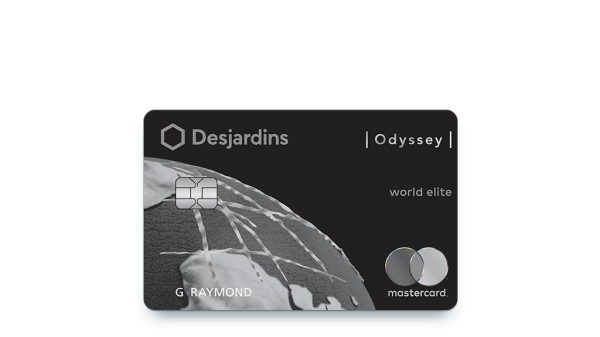
Annual fee
$130
Purchase APR
20.90%
Cash advance
21.90%
Desjardins Group
Best for
Travel Rewards
Balance Transfer
Best for
Travel Rewards
Balance Transfer
Welcome-offer value
No current monetary welcome-offer estimate was included
$0
Estimated rewards from spending
Based on $1,500 in monthly spending
$369
First-year annual fee
Fee charged during the first year
$130
Estimated first-year card value
Welcome value + spending rewards − first-year fee
$239
View spending and reward-rate details
| Spending category | Monthly spend | Rate | Annual value |
|---|---|---|---|
| Groceries | $450 | 3% | $162 |
| Dining | $300 | 3% | $108 |
| Gas and transit | $150 | 1% | $18 |
| Travel | $75 | 2% | $18 |
| Recurring bills | $75 | 1% | $9 |
| Other purchases | $450 | 1% | $54 |
This is an estimate, not a guaranteed cash return. Actual value depends on spending, eligibility, redemption choices and meeting the provider’s offer terms. Reward rates are treated as estimated cash-equivalent percentages.
Card essentials
Rates, fees and requirements
The important numbers, organized so they are easy to scan and compare.
Annual fee
$130
Primary cardholder
Purchase APR
20.90%
Regular purchase rate
Cash advance APR
21.90%
Cash transaction rate
Balance transfer APR
—
When available
Foreign transaction fee
—
Foreign-currency purchases
Additional card fee
$40
Supplementary cardholder
Before you apply
Eligibility snapshot
Recommended credit score
—
Minimum personal income
$80,000
Minimum household income
$150,000
Approval, rates and credit limits are determined by the card provider.
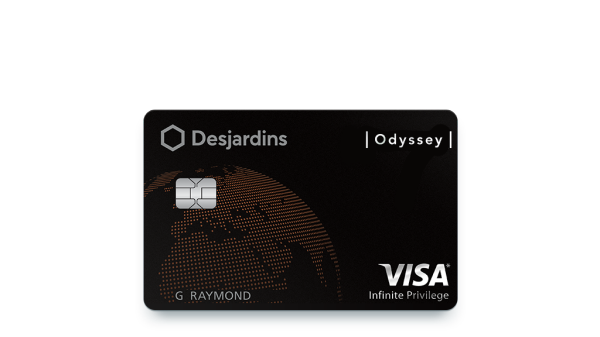
Annual fee
$295
Purchase APR
11.90%
Cash advance
12.90%
Desjardins Group
Best for
Travel Rewards
Low Interest
Balance Transfer
Best for
Travel Rewards
Low Interest
Balance Transfer
Welcome-offer value
No current monetary welcome-offer estimate was included
$0
Estimated rewards from spending
Based on $1,500 in monthly spending
$454.50
First-year annual fee
Fee charged during the first year
$295
Estimated first-year card value
Welcome value + spending rewards − first-year fee
$159.50
View spending and reward-rate details
| Spending category | Monthly spend | Rate | Annual value |
|---|---|---|---|
| Groceries | $450 | 3% | $162 |
| Dining | $300 | 4% | $144 |
| Gas and transit | $150 | 1.5% | $27 |
| Travel | $75 | 3% | $27 |
| Recurring bills | $75 | 1.5% | $13.50 |
| Other purchases | $450 | 1.5% | $81 |
This is an estimate, not a guaranteed cash return. Actual value depends on spending, eligibility, redemption choices and meeting the provider’s offer terms. Reward rates are treated as estimated cash-equivalent percentages.
Card essentials
Rates, fees and requirements
The important numbers, organized so they are easy to scan and compare.
Annual fee
$295
Primary cardholder
Purchase APR
11.90%
Regular purchase rate
Cash advance APR
12.90%
Cash transaction rate
Balance transfer APR
—
When available
Foreign transaction fee
—
Foreign-currency purchases
Additional card fee
$95
Supplementary cardholder
Before you apply
Eligibility snapshot
Recommended credit score
—
Minimum personal income
$150,000
Minimum household income
$200,000
Approval, rates and credit limits are determined by the card provider.
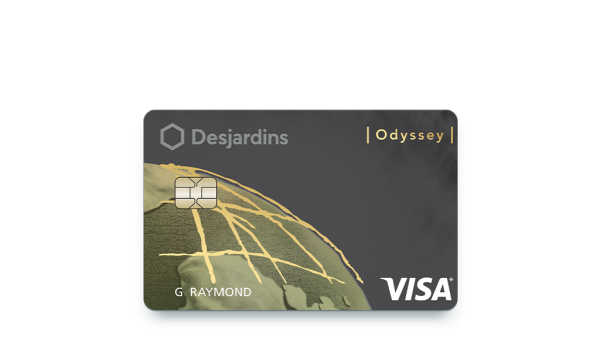
Annual fee
$110
Purchase APR
20.90%
Cash advance
21.90%
Desjardins Group
Best for
Travel Rewards
Rewards
Best for
Travel Rewards
Rewards
Welcome-offer value
No current monetary welcome-offer estimate was included
$0
Estimated rewards from spending
Based on $1,500 in monthly spending
$189.90
First-year annual fee
Fee charged during the first year
$110
Estimated first-year card value
Welcome value + spending rewards − first-year fee
$79.90
View spending and reward-rate details
| Spending category | Monthly spend | Rate | Annual value |
|---|---|---|---|
| Groceries | $450 | 0.65% | $35.10 |
| Dining | $300 | 2% | $72 |
| Gas and transit | $150 | 0.65% | $11.70 |
| Travel | $75 | 2% | $18 |
| Recurring bills | $75 | 2% | $18 |
| Other purchases | $450 | 0.65% | $35.10 |
This is an estimate, not a guaranteed cash return. Actual value depends on spending, eligibility, redemption choices and meeting the provider’s offer terms. Reward rates are treated as estimated cash-equivalent percentages.
Card essentials
Rates, fees and requirements
The important numbers, organized so they are easy to scan and compare.
Annual fee
$110
Primary cardholder
Purchase APR
20.90%
Regular purchase rate
Cash advance APR
21.90%
Cash transaction rate
Balance transfer APR
—
When available
Foreign transaction fee
—
Foreign-currency purchases
Additional card fee
$30
Supplementary cardholder
Before you apply
Eligibility snapshot
Recommended credit score
—
Minimum personal income
—
Minimum household income
—
Approval, rates and credit limits are determined by the card provider.
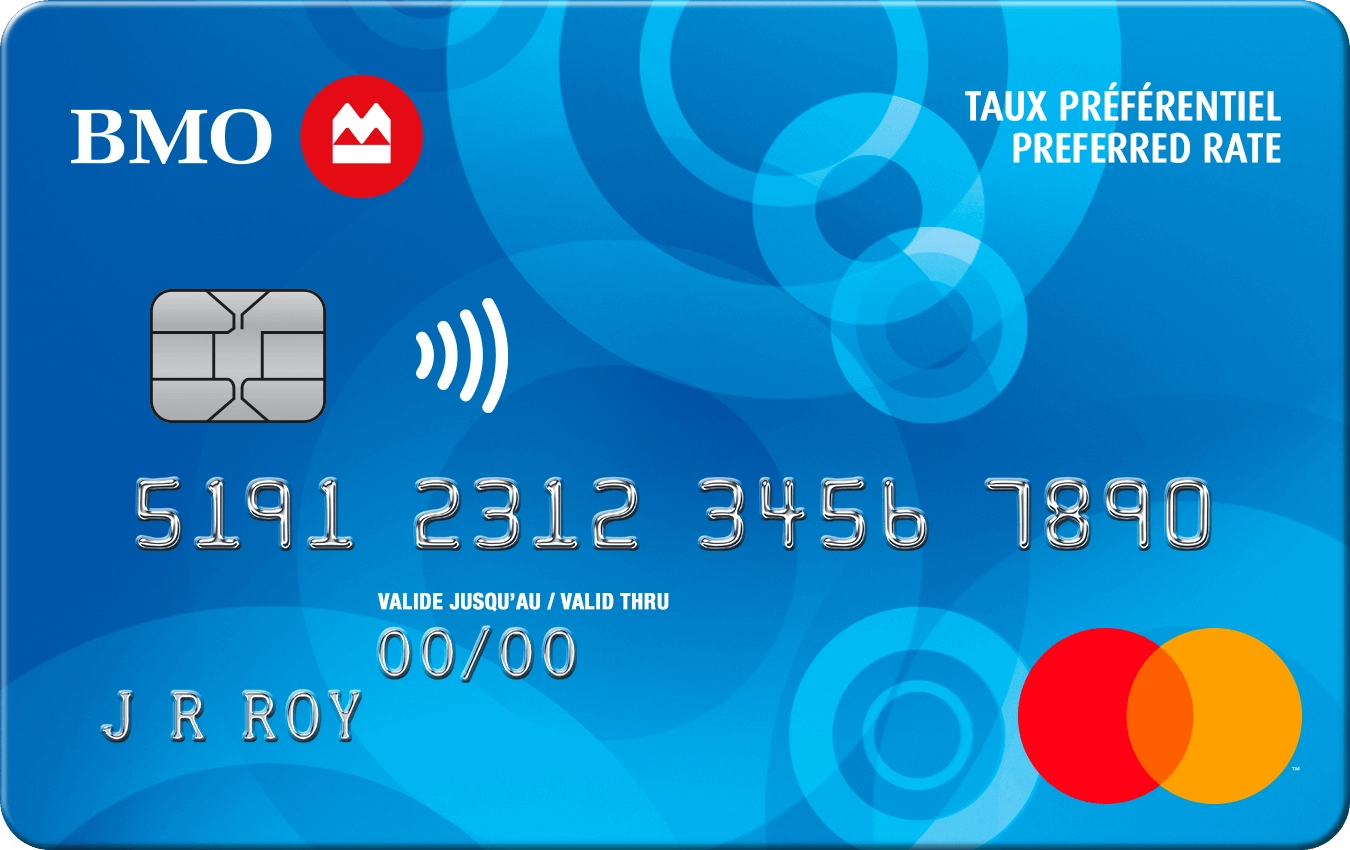
Annual fee
$29$0
First year waived
Purchase APR
13.99%
Cash advance
15.99%
BMO Bank of Montreal
Best for
Low Interest
Balance Transfer
Best for
Low Interest
Balance Transfer
Welcome-offer value
Advertised value estimate, subject to eligibility and provider requirements
$29
Estimated rewards from spending
Based on $1,500 in monthly spending
$0
First-year annual fee
$29 first-year fee waiver applied
$29
$0
Estimated first-year card value
Welcome value + spending rewards − first-year fee
$29
View spending and reward-rate details
| Spending category | Monthly spend | Rate | Annual value |
|---|---|---|---|
| Groceries | $450 | 0% | $0 |
| Dining | $300 | 0% | $0 |
| Gas and transit | $150 | 0% | $0 |
| Travel | $75 | 0% | $0 |
| Recurring bills | $75 | 0% | $0 |
| Other purchases | $450 | 0% | $0 |
Estimate notes
- No usable reward rate is configured, so spending rewards were not estimated.
This is an estimate, not a guaranteed cash return. Actual value depends on spending, eligibility, redemption choices and meeting the provider’s offer terms. Reward rates are treated as estimated cash-equivalent percentages.
First year free
Card essentials
Rates, fees and requirements
The important numbers, organized so they are easy to scan and compare.
Annual fee
$0 first year
Then $29 annually
Purchase APR
13.99%
Regular purchase rate
Cash advance APR
15.99%
Cash transaction rate
Balance transfer APR
—
When available
Foreign transaction fee
—
Foreign-currency purchases
Additional card fee
—
Supplementary cardholder
Before you apply
Eligibility snapshot
Recommended credit score
—
Minimum personal income
—
Minimum household income
—
Approval, rates and credit limits are determined by the card provider.
Get 0% on balance transfers for 9 months and pay no annual fee in year one.*
Exclusive Ratebuddy Rebate:
$100

Annual fee
$29$0
First year waived
Purchase APR
13.99%
Cash advance
13.99%
 Scotiabank®
Best for
Low Interest
Balance Transfer
Best for
Low Interest
Balance Transfer
First year free
RateBuddy editorial perspective
RateBuddy’s take
Scotiabank® Value® Visa* Card
The Scotiabank Value Visa Card is a practical low-interest option for Canadians who want to reduce borrowing costs rather than earn rewards. Its 13.99% purchase and cash-advance rate is paired with a strong introductory offer of 0% on balance transfers for nine months and no annual fee in the first year. Shell fuel value, car-rental savings, Scotia SelectPay and a GigSky discount add useful everyday benefits.
Card essentials
Rates, fees and requirements
The important numbers, organized so they are easy to scan and compare.
Annual fee
$0 first year
Then $29 annually
Purchase APR
13.99%
Regular purchase rate
Cash advance APR
13.99%
Cash transaction rate
Balance transfer APR
—
When available
Foreign transaction fee
—
Foreign-currency purchases
Additional card fee
$0
Supplementary cardholder
Before you apply
Eligibility snapshot
Recommended credit score
—
Minimum personal income
—
Minimum household income
—
Approval, rates and credit limits are determined by the card provider.
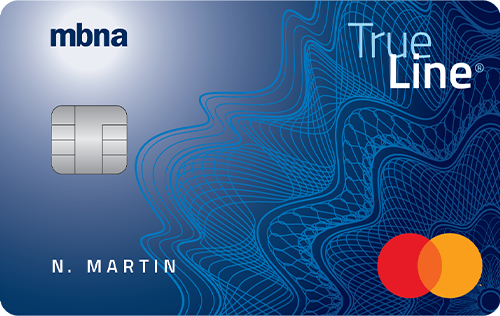
Annual fee
$0
Purchase APR
12.99%
Cash advance
24.99%
 MBNA Canada
Best for
Low Interest
No Annual Fee
Balance Transfer
Best for
Low Interest
No Annual Fee
Balance Transfer
Card essentials
Rates, fees and requirements
The important numbers, organized so they are easy to scan and compare.
Annual fee
$0
Primary cardholder
Purchase APR
12.99%
Regular purchase rate
Cash advance APR
24.99%
Cash transaction rate
Balance transfer APR
17.99%
When available
Foreign transaction fee
—
Foreign-currency purchases
Additional card fee
$0
Supplementary cardholder
Before you apply
Eligibility snapshot
Recommended credit score
—
Minimum personal income
—
Minimum household income
—
Approval, rates and credit limits are determined by the card provider.
Smart Savings
Cut Unnecessary Costs
Interest, annual fees, and hidden surcharges eat into your budget. Use these tools to stop the leaks and save money.
RateBuddy
Math. Not Marketing.
We calculate the true value to save you every penny.
Data-Driven Logic
Rankings based on hard numbers (fees vs rewards), not advertising budgets.
100% Unbiased
We highlight the "gotchas" and fees just as clearly as the perks.
Direct & Secure
No data harvesting. We send you straight to the bank's secure official site.
Attack Your Principal Balance
High interest rates keep you trapped in a cycle of debt. These cards give you the strategic breathing room to pay off what you actually owe.
The Strategic "Interest Holiday"
A 0% balance transfer offer effectively pauses interest charges for a promotional period, often ranging from 6 to 12 months. This ensures that every single dollar you pay goes directly toward reducing your principal debt, rather than vanishing into interest payments. It stops the bleeding and allows your payments to actually make a dent. For anyone carrying a balance, this is one of the most powerful tools available to regain financial control.
Mathematical Savings
Even with a typical 1-3% balance transfer fee, the math is overwhelmingly in your favor. Moving high-interest debt (often 20%+) to a 0% or low-rate environment can save you hundreds or even thousands of dollars in interest charges over the course of a year. It converts "dead money" (interest) into debt reduction. Use our Balance Transfer Calculator to see exactly how much you could save based on your specific numbers.
Faster Path to Freedom
By drastically lowering your interest rate, you lower the "cost of carrying" your debt. This accelerates your payoff timeline, helping you become debt-free months or even years sooner than expected. It simplifies your finances by consolidating multiple high-interest debts into one single, manageable monthly payment. This psychological and financial relief can be the catalyst you need to eliminate credit card debt for good.
RATEBUDDY TOOLKIT
Crunch The Numbers
See exactly how much you can save, earn, or pay off.
Explore the Ecosystem
Discover more ways to save, earn, and optimize your wallet.
Not sure what you need?
Explore other possibilities.
Credit Cards is great, but sometimes a different card fits your lifestyle better. Use our Smart Finder to see what else you qualify for.
Cash Back
Earn money on daily spend.
Travel Rewards
Best for frequent flyers.
SPEC SHEET
Find best cards by features:
Filter our database by the specific perks and coverages that matter to you.
ISSUERS
Browse by Bank & Issuer:
Filter our database to see offers from specific Canadian financial institutions.
A little clarity, before you choose
Make the card fit your life.
Explore the bigger picture, check the numbers and find the tradeoffs that matter to you.
The Canadian picture
The Bank of Canada’s 2025 survey estimates that 89% of adults owned a credit card. Credit cards accounted for 48.2% of purchases recorded in its diary by number; 31% of cardholders reported not paying their full balance in the previous month.
Source: Bank of Canada · 2025 Methods-of-Payment Survey (published August 2026)What this means for your comparisonOur interpretation: a card can be an everyday payment tool or an expensive way to borrow. The right comparison starts with how you repay, then considers rewards and benefits.
Can a balance transfer help you pay less?Compare the transfer fee, repayment timeline and the cost after a promotion ends.
A balance transfer can reduce the cost of existing debt for a period. Its value comes from the repayment plan, not just the promotional rate. You move a balance between accounts; you do not make the debt disappear.
Compare the complete borrowing offer
Read the transfer fee, qualifying deadline, promotional duration, eligible debt and the rate that follows. FCAC explains that transfers usually involve a fee and a limited promotional period; missed payments may affect promotional pricing. Confirm those conditions in the offer you are considering rather than assuming a “0%” headline covers every cost.
Use your affordable monthly payment to work backwards. Can you clear the transferred amount and any financed fee within the promotional period? If not, calculate the remaining balance and its later cost. A transfer that leaves a large balance at renewal needs a different assessment from one you can finish on time.
Worked example: a fee and a repayment deadline
Consider a hypothetical $5,000 transfer, a 3% fee and 12 months at 0%. Assume the $150 fee is added to the balance and also receives 0%, with no annual fee, new purchases or other charges.
($5,000 + $150) ÷ 12 = about $429.17 a month to clear the full amount.
| Illustrative approach | Monthly payment | Cost above principal |
|---|---|---|
| Repay at 20% APR over 12 months | $463.17 | $558.07 interest |
| 0% transfer, including the 3% fee | $429.17 | $150.00 fee |
The model saves about $408.07. The 20% case uses APR divided by 12, equal month-end payments and no new spending. Displayed payments are rounded; the final payment adjusts for rounding. Real statements use the agreement’s interest and fee rules.
Paying only $300 a month on the transfer leaves $1,550 after 12 payments. That remainder must be assessed at the post-promotion rate. If the fee does not receive promotional pricing, redo the calculation with its actual treatment.
Do not turn one balance into two
A transfer may leave room on the old card. If you refill it while paying the new account, total debt can rise despite the lower promotional rate. Build the plan around reducing the combined balance. Continuing minimum payments on the old account until the transfer is confirmed avoids treating an application or request as a completed movement of funds.
Keep new purchases out of the comparison unless you understand their separate rate, grace-period treatment and how payments are allocated. FCAC’s repayment guidance explains that amounts above the minimum may be applied to the highest-rate balance or proportionally. Your agreement determines how that affects a mixture of promotional and purchase balances.
Check practical constraints before applying
Approval and the available limit may not cover the amount you hope to transfer. The issuer may also restrict which debts are eligible. Ask whether the fee uses available credit and allow for processing time. Keep the promotional end date in your repayment calendar, with enough margin to deal with a delayed or irregular payment.
Compare the transfer against leaving the debt in place with a higher payment and against other borrowing options available to you. Include fees and the full repayment term in each case. A lower payment that extends repayment can feel easier without producing the lowest total cost.
The useful test: a transfer should support an affordable plan to reduce total debt, including the fee and any balance left when the promotion ends.
What does carrying a balance really cost?See how interest and payment size change the money left in your pocket.
When you carry a balance, the repayment schedule can matter more than the rewards rate. Compare how much you will pay and how long you will need, using a payment you can maintain. The purchase rate alone is only one part of that picture.
Understand which balance you are paying
A statement can contain purchases, cash advances, transfers or instalments with different conditions. FCAC explains that federally regulated issuers provide a purchase grace period of at least 21 days; it does not apply to cash advances, cash-like transactions or balance transfers. Use the agreement to check how interest applies when the statement is not paid in full.
Distinguish the current balance, statement balance and minimum due. New purchases made after the statement closes are not necessarily due on that statement’s payment date. Conversely, making the minimum does not mean the account has been repaid. Match your payment to the correct statement and allow for the issuer’s processing time.
Worked example: payment size changes the result
Start with $3,000 at a hypothetical 20% APR, with no fees or new purchases. Use a simplified monthly model: interest at APR ÷ 12, followed by the payment at month-end.
| Payment per month | Time to clear | Total interest |
|---|---|---|
| $100 | 42 months | $1,193.50 |
| $200 | 18 months | $481.27 |
| $300 | 12 months | $309.13 |
These are fixed-payment examples, not an issuer’s minimum-payment formula. Actual daily interest, transaction timing and rounding can change the result. They show why a larger affordable payment changes both the timeline and total cost.
Put rewards and interest on the same scale
For a rough illustration, an unchanged $3,000 interest-bearing balance at 19.99% over 30 days produces about $49.29 using principal × APR × days ÷ 365. Meanwhile, $500 of hypothetical purchases earning 2% produces $10 in rewards. These separate illustrations show the scale of the tradeoff; they do not reproduce a statement or assume every transaction has the same interest treatment.
A rate reduction can help, but compare the account fee and expected balance as well. If the balance will be repaid quickly, a fee can use up part of the saving. If debt persists, interest becomes more important. Run both an optimistic repayment plan and a slower one rather than choosing solely from the advertised rate.
Make the plan resilient to a difficult month
Choose a regular payment that leaves room for essential expenses. Keep a separate view of planned spending and existing debt so that everyday purchases do not quietly cancel your repayment progress. An extra payment is helpful when affordable, but a plan that depends on perfect monthly income is harder to maintain.
FCAC notes that paying only the minimum extends repayment and increases interest compared with paying more; minimum-payment rules depend on the agreement and may vary by province. The statement’s minimum due remains a requirement even when your personal repayment target is higher. If your planned payment is lower than the required minimum, the plan needs to change.
Use the statement as a progress check
Track the remaining principal, interest charged and expected finish date. If the balance is not falling as planned, identify whether new purchases, fees or an unaffordable payment are responsible. After clearing a balance, inspect the following statement for any remaining charges instead of assuming a zero shown mid-cycle settles everything.
If repayment is becoming unmanageable, contact the issuer early and compare any offered arrangement by total cost. A calculator can clarify the numbers; it cannot guarantee approval for another product or resolve a budget shortfall on its own.
Prioritize a result you can maintain: an affordable payment, a falling total balance and a finish date that survives an ordinary setback.
PAYMENT NETWORKS
Browse by Network:
Filter by Visa, Mastercard, or Amex acceptance.
CARD LEVELS
Browse Cards by Tier:
From entry-level options to exclusive black cards. Find the eligibility level that fits you.
KNOWLEDGE BASE
Frequently Asked Questions
Common questions about Compare 0% Interest Offers Cards and financial strategy.
Disclaimer: Information is for educational purposes only and does not constitute financial or legal advice. Terms subject to change by issuers.
Some loyalty programs (like Aeroplan or Scene+) allow for points pooling or transfers between family members, sometimes for free and sometimes for a fee. Check the specific terms and conditions of your loyalty program to see if transfers are permitted.
A cash advance occurs when you withdraw cash from an ATM using your credit card or transfer funds from the card to a bank account. These transactions typically incur a fee (e.g., $5) and interest starts accruing immediately (no grace period), often at a higher rate than purchases.
While you can, it is generally not recommended if you are carrying a transferred balance. Payments are typically applied to the balance with the lowest interest rate first (or proportionally), meaning your new purchases might accrue interest immediately at the standard rate. Check the card's allocation of payments policy.
A balance transfer involves moving debt from one credit card to another, often to take advantage of a lower interest rate. Promotional offers may provide a low rate (e.g., 0%) for a set period (e.g., 6-10 months). Be aware that a transfer fee (often 1-3% of the amount) usually applies, and the standard interest rate will apply to any remaining balance after the promo period ends.
Providing your Social Insurance Number (SIN) is usually optional for credit card applications, though it can help the issuer verify your identity and locate your credit file more accurately. You can generally apply without it, provided you supply other identification details.
Still have questions?
Visit our Financial Education Hub
FINANCIAL WELLNESS
Tools & Resources
Master your money with our suite of free calculators and guides.