


Annual fee
$0 first year
Then $199 annually
RateBuddyCredit card guide
Best Mastercard Credit Cards in Canada
- Fact checked
- Card acceptance
- Network benefits
RateBuddy Card Insight
Written by
 Reviewed
Mastercard comparison without the clutter
Mastercard options can vary widely by issuer, tier, rewards, and benefits. RateBuddy helps bring the important details together so you can review annual fees, rewards, welcome offers, World Elite perks, and everyday usefulness in one place.
Mastercard details to compare
- Rewards and cash back structure
- World and World Elite benefits
- Annual fee and eligibility
- Everyday acceptance and use case
Smart Card Filter
Auto-updates results
Compare Top Rated Mastercards — October 2026
Last updated
Use the filters to shape the card results below. Adjust your monthly spend, narrow by provider, or highlight no-fee and welcome-bonus options — RateBuddy will quietly refresh the list so the results stay connected to your choices.
Ready to refine
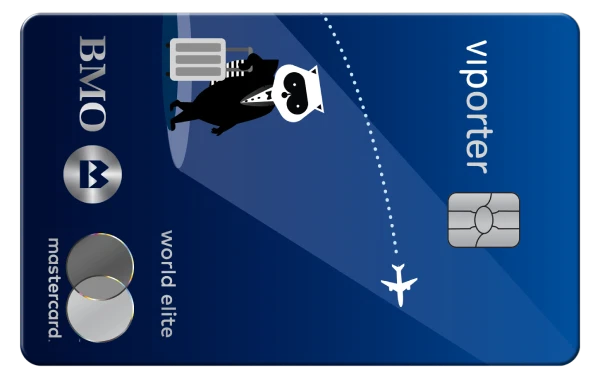
Annual fee
$199$0
First year waived
Purchase APR
21.99%
Cash advance
23.99%
 BMO Bank of Montreal
Best for
Travel Rewards
Premium
Rewards
Best for
Travel Rewards
Premium
Rewards
Welcome-offer value
Advertised value estimate, subject to eligibility and provider requirements
$1,400
Estimated rewards from spending
Based on $1,500 in monthly spending
$306
First-year annual fee
$199 first-year fee waiver applied
$199
$0
Estimated first-year card value
Welcome value + spending rewards − first-year fee
$1,706
View spending and reward-rate details
| Spending category | Monthly spend | Rate | Annual value |
|---|---|---|---|
| Groceries | $450 | 2% | $108 |
| Dining | $300 | 2% | $72 |
| Gas and transit | $150 | 2% | $36 |
| Travel | $75 | 3% | $27 |
| Recurring bills | $75 | 1% | $9 |
| Other purchases | $450 | 1% | $54 |
This is an estimate, not a guaranteed cash return. Actual value depends on spending, eligibility, redemption choices and meeting the provider’s offer terms. Reward rates are treated as estimated cash-equivalent percentages.
First year free
Card essentials
Rates, fees and requirements
The important numbers, organized so they are easy to scan and compare.
Purchase APR
21.99%
Regular purchase rate
Cash advance APR
23.99%
Cash transaction rate
Balance transfer APR
—
When available
Foreign transaction fee
—
Foreign-currency purchases
Additional card fee
—
Supplementary cardholder
Before you apply
Eligibility snapshot
Recommended credit score
—
Minimum personal income
$80,000
Minimum household income
$150,000
Approval, rates and credit limits are determined by the card provider.
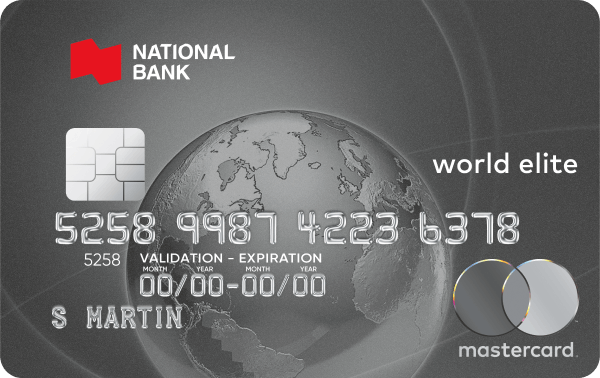
Annual fee
$150$0
First year waived
Purchase APR
20.99%
Cash advance
22.49%
 National Bank of Canada
Best for
Travel Rewards
Premium
Best for
Travel Rewards
Premium
Welcome-offer value
Advertised value estimate, subject to eligibility and provider requirements
$650
Estimated rewards from spending
Based on $1,500 in monthly spending
$576
First-year annual fee
$150 first-year fee waiver applied
$150
$0
Estimated first-year card value
Welcome value + spending rewards − first-year fee
$1,226
View spending and reward-rate details
| Spending category | Monthly spend | Rate | Annual value |
|---|---|---|---|
| Groceries | $450 | 5% | $270 |
| Dining | $300 | 5% | $180 |
| Gas and transit | $150 | 2% | $36 |
| Travel | $75 | 2% | $18 |
| Recurring bills | $75 | 2% | $18 |
| Other purchases | $450 | 1% | $54 |
This is an estimate, not a guaranteed cash return. Actual value depends on spending, eligibility, redemption choices and meeting the provider’s offer terms. Reward rates are treated as estimated cash-equivalent percentages.
First year free
Card essentials
Rates, fees and requirements
The important numbers, organized so they are easy to scan and compare.
Annual fee
$0 first year
Then $150 annually
Purchase APR
20.99%
Regular purchase rate
Cash advance APR
22.49%
Cash transaction rate
Balance transfer APR
—
When available
Foreign transaction fee
—
Foreign-currency purchases
Additional card fee
—
Supplementary cardholder
Before you apply
Eligibility snapshot
Recommended credit score
—
Minimum personal income
$80,000
Minimum household income
$150,000
Approval, rates and credit limits are determined by the card provider.
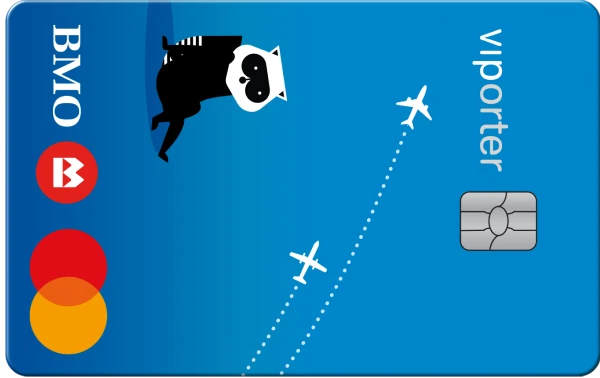
Annual fee
$89$0
First year waived
Purchase APR
21.99%
Cash advance
23.99%
BMO Bank of Montreal
Best for
Travel Rewards
Rewards
Best for
Travel Rewards
Rewards
Welcome-offer value
Advertised value estimate, subject to eligibility and provider requirements
$800
Estimated rewards from spending
Based on $1,500 in monthly spending
$157.50
First-year annual fee
$89 first-year fee waiver applied
$89
$0
Estimated first-year card value
Welcome value + spending rewards − first-year fee
$957.50
View spending and reward-rate details
| Spending category | Monthly spend | Rate | Annual value |
|---|---|---|---|
| Groceries | $450 | 1% | $54 |
| Dining | $300 | 1% | $36 |
| Gas and transit | $150 | 1% | $18 |
| Travel | $75 | 2% | $18 |
| Recurring bills | $75 | 0.5% | $4.50 |
| Other purchases | $450 | 0.5% | $27 |
This is an estimate, not a guaranteed cash return. Actual value depends on spending, eligibility, redemption choices and meeting the provider’s offer terms. Reward rates are treated as estimated cash-equivalent percentages.
First year free
Card essentials
Rates, fees and requirements
The important numbers, organized so they are easy to scan and compare.
Annual fee
$0 first year
Then $89 annually
Purchase APR
21.99%
Regular purchase rate
Cash advance APR
23.99%
Cash transaction rate
Balance transfer APR
—
When available
Foreign transaction fee
—
Foreign-currency purchases
Additional card fee
—
Supplementary cardholder
Before you apply
Eligibility snapshot
Recommended credit score
—
Minimum personal income
—
Minimum household income
—
Approval, rates and credit limits are determined by the card provider.
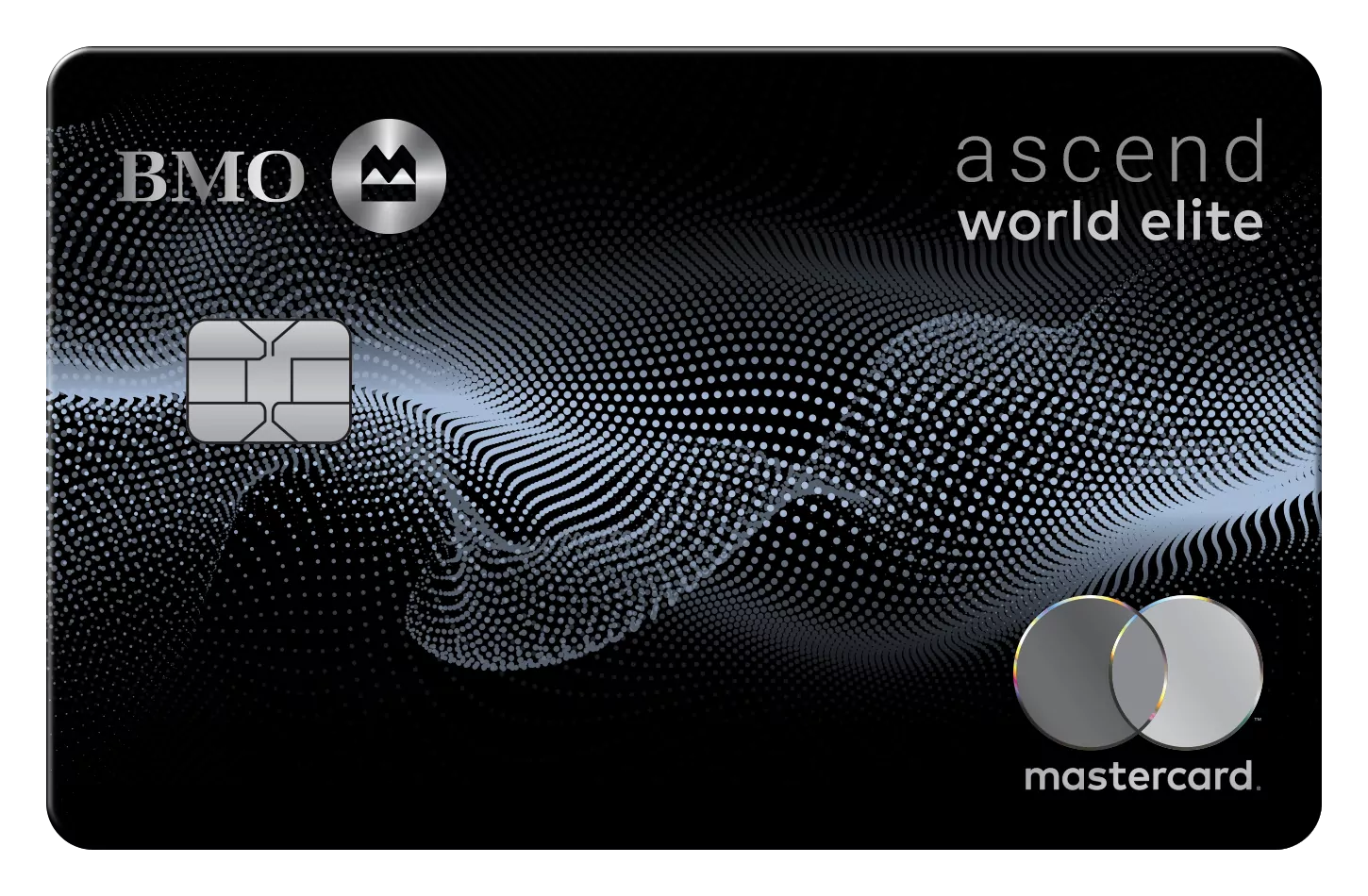
Annual fee
$150$0
First year waived
Purchase APR
21.99%
Cash advance
23.99%
BMO Bank of Montreal
Best for
Travel Rewards
Balance Transfer
Premium
Best for
Travel Rewards
Balance Transfer
Premium
Welcome-offer value
Advertised value estimate, subject to eligibility and provider requirements
$650
Estimated rewards from spending
Based on $1,500 in monthly spending
$306
First-year annual fee
$150 first-year fee waiver applied
$150
$0
Estimated first-year card value
Welcome value + spending rewards − first-year fee
$956
View spending and reward-rate details
| Spending category | Monthly spend | Rate | Annual value |
|---|---|---|---|
| Groceries | $450 | 1% | $54 |
| Dining | $300 | 3% | $108 |
| Gas and transit | $150 | 1% | $18 |
| Travel | $75 | 5% | $45 |
| Recurring bills | $75 | 3% | $27 |
| Other purchases | $450 | 1% | $54 |
This is an estimate, not a guaranteed cash return. Actual value depends on spending, eligibility, redemption choices and meeting the provider’s offer terms. Reward rates are treated as estimated cash-equivalent percentages.
First year free
Card essentials
Rates, fees and requirements
The important numbers, organized so they are easy to scan and compare.
Annual fee
$0 first year
Then $150 annually
Purchase APR
21.99%
Regular purchase rate
Cash advance APR
23.99%
Cash transaction rate
Balance transfer APR
—
When available
Foreign transaction fee
—
Foreign-currency purchases
Additional card fee
—
Supplementary cardholder
Before you apply
Eligibility snapshot
Recommended credit score
—
Minimum personal income
$80,000
Minimum household income
$150,000
Approval, rates and credit limits are determined by the card provider.
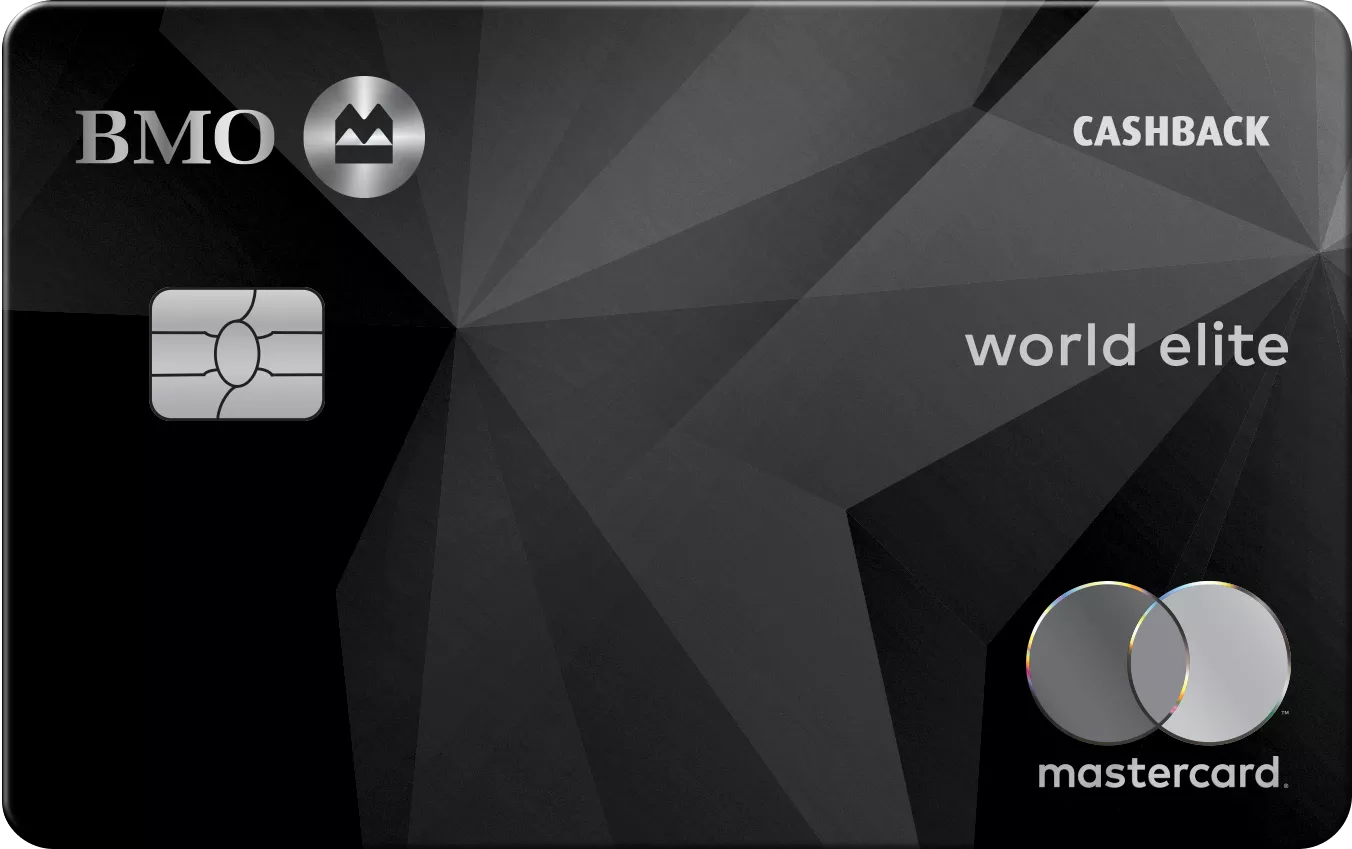
Annual fee
$120$0
First year waived
Purchase APR
21.99%
Cash advance
23.99%
BMO Bank of Montreal
Best for
Cash Back
Balance Transfer
Premium
Best for
Cash Back
Balance Transfer
Premium
Welcome-offer value
Advertised value estimate, subject to eligibility and provider requirements
$320
Estimated rewards from spending
Based on $1,500 in monthly spending
$441
First-year annual fee
$120 first-year fee waiver applied
$120
$0
Estimated first-year card value
Welcome value + spending rewards − first-year fee
$761
View spending and reward-rate details
| Spending category | Monthly spend | Rate | Annual value |
|---|---|---|---|
| Groceries | $450 | 5% | $270 |
| Dining | $300 | 1% | $36 |
| Gas and transit | $150 | 3% | $54 |
| Travel | $75 | 1% | $9 |
| Recurring bills | $75 | 2% | $18 |
| Other purchases | $450 | 1% | $54 |
This is an estimate, not a guaranteed cash return. Actual value depends on spending, eligibility, redemption choices and meeting the provider’s offer terms. Reward rates are treated as estimated cash-equivalent percentages.
First year free
Card essentials
Rates, fees and requirements
The important numbers, organized so they are easy to scan and compare.
Annual fee
$0 first year
Then $120 annually
Purchase APR
21.99%
Regular purchase rate
Cash advance APR
23.99%
Cash transaction rate
Balance transfer APR
—
When available
Foreign transaction fee
—
Foreign-currency purchases
Additional card fee
—
Supplementary cardholder
Before you apply
Eligibility snapshot
Recommended credit score
—
Minimum personal income
$80,000
Minimum household income
$150,000
Approval, rates and credit limits are determined by the card provider.
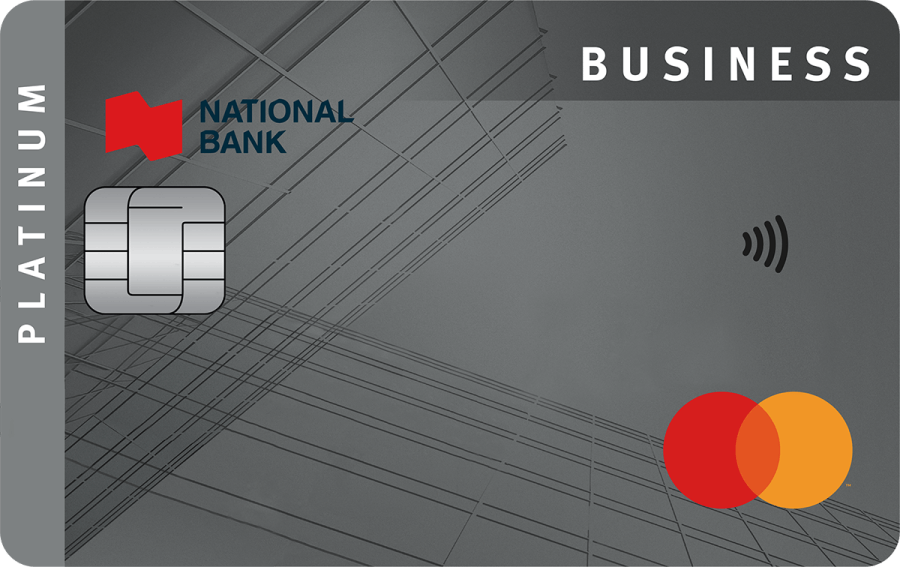
Annual fee
$125$0
First year waived
Purchase APR
20.99%
Cash advance
22.99%
National Bank of Canada
Best for
Travel Rewards
Business
Rewards
Best for
Travel Rewards
Business
Rewards
Welcome-offer value
Advertised value estimate, subject to eligibility and provider requirements
$500
Estimated rewards from spending
Based on $1,500 in monthly spending
$225
First-year annual fee
$125 first-year fee waiver applied
$125
$0
Estimated first-year card value
Welcome value + spending rewards − first-year fee
$725
View spending and reward-rate details
| Spending category | Monthly spend | Rate | Annual value |
|---|---|---|---|
| Groceries | $450 | 1.25% | $67.50 |
| Dining | $300 | 1.25% | $45 |
| Gas and transit | $150 | 1.25% | $22.50 |
| Travel | $75 | 1.25% | $11.25 |
| Recurring bills | $75 | 1.25% | $11.25 |
| Other purchases | $450 | 1.25% | $67.50 |
This is an estimate, not a guaranteed cash return. Actual value depends on spending, eligibility, redemption choices and meeting the provider’s offer terms. Reward rates are treated as estimated cash-equivalent percentages.
Rewards program
More Rewards
First year free
Card essentials
Rates, fees and requirements
The important numbers, organized so they are easy to scan and compare.
Annual fee
$0 first year
Then $125 annually
Purchase APR
20.99%
Regular purchase rate
Cash advance APR
22.99%
Cash transaction rate
Balance transfer APR
—
When available
Foreign transaction fee
—
Foreign-currency purchases
Additional card fee
$50
Supplementary cardholder
Before you apply
Eligibility snapshot
Recommended credit score
—
Minimum personal income
—
Minimum household income
—
Approval, rates and credit limits are determined by the card provider.
Annual fee
$120$0
First year waived
Purchase APR
20.99%
Cash advance
22.99%
 ATB Financial
Best for
Travel Rewards
Premium
Newcomer
Best for
Travel Rewards
Premium
Newcomer
Welcome-offer value
Advertised value estimate, subject to eligibility and provider requirements
$320
Estimated rewards from spending
Based on $1,500 in monthly spending
$369
First-year annual fee
$120 first-year fee waiver applied
$120
$0
Estimated first-year card value
Welcome value + spending rewards − first-year fee
$689
View spending and reward-rate details
| Spending category | Monthly spend | Rate | Annual value |
|---|---|---|---|
| Groceries | $450 | 3% | $162 |
| Dining | $300 | 1% | $36 |
| Gas and transit | $150 | 3% | $54 |
| Travel | $75 | 4% | $36 |
| Recurring bills | $75 | 3% | $27 |
| Other purchases | $450 | 1% | $54 |
This is an estimate, not a guaranteed cash return. Actual value depends on spending, eligibility, redemption choices and meeting the provider’s offer terms. Reward rates are treated as estimated cash-equivalent percentages.
Rewards program
ATB My Rewards
First year free
Card essentials
Rates, fees and requirements
The important numbers, organized so they are easy to scan and compare.
Annual fee
$0 first year
Then $120 annually
Purchase APR
20.99%
Regular purchase rate
Cash advance APR
22.99%
Cash transaction rate
Balance transfer APR
—
When available
Foreign transaction fee
2.90%
Foreign-currency purchases
Additional card fee
$35
Supplementary cardholder
Before you apply
Eligibility snapshot
Recommended credit score
—
Minimum personal income
$80,000
Minimum household income
$150,000
Approval, rates and credit limits are determined by the card provider.
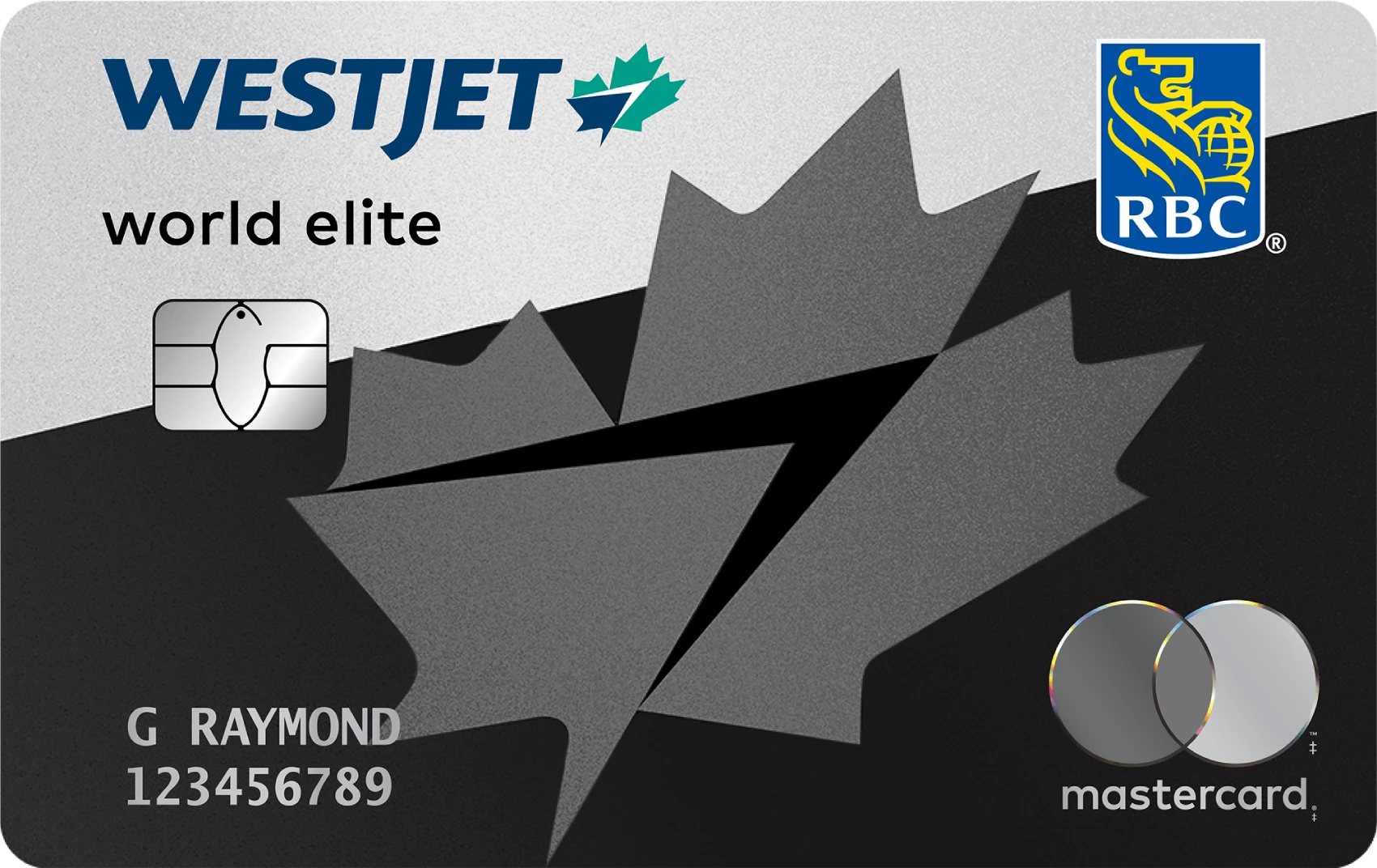
Annual fee
$139
Purchase APR
20.99%
Cash advance
22.99%
 RBC Royal Bank
Best for
Travel Rewards
Best for
Travel Rewards
Welcome-offer value
Advertised value estimate, subject to eligibility and provider requirements
$450
Estimated rewards from spending
Based on $1,500 in monthly spending
$310.50
First-year annual fee
Fee charged during the first year
$139
Estimated first-year card value
Welcome value + spending rewards − first-year fee
$621.50
View spending and reward-rate details
| Spending category | Monthly spend | Rate | Annual value |
|---|---|---|---|
| Groceries | $450 | 2% | $108 |
| Dining | $300 | 1.5% | $54 |
| Gas and transit | $150 | 2% | $36 |
| Travel | $75 | 2% | $18 |
| Recurring bills | $75 | 1.5% | $13.50 |
| Other purchases | $450 | 1.5% | $81 |
This is an estimate, not a guaranteed cash return. Actual value depends on spending, eligibility, redemption choices and meeting the provider’s offer terms. Reward rates are treated as estimated cash-equivalent percentages.
Card essentials
Rates, fees and requirements
The important numbers, organized so they are easy to scan and compare.
Annual fee
$139
Primary cardholder
Purchase APR
20.99%
Regular purchase rate
Cash advance APR
22.99%
Cash transaction rate
Balance transfer APR
—
When available
Foreign transaction fee
—
Foreign-currency purchases
Additional card fee
$59
Supplementary cardholder
Before you apply
Eligibility snapshot
Recommended credit score
—
Minimum personal income
$80,000
Minimum household income
$150,000
Approval, rates and credit limits are determined by the card provider.
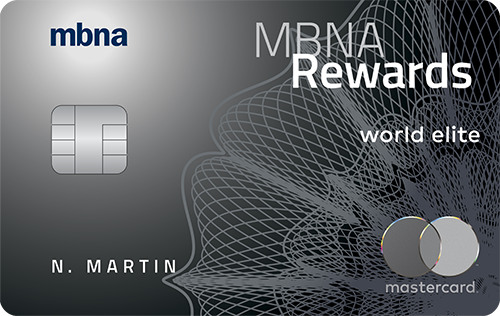
Annual fee
$120
Purchase APR
21.99%
Cash advance
22.99%
 MBNA Canada
Best for
Travel Rewards
Premium
Rewards
Best for
Travel Rewards
Premium
Rewards
Welcome-offer value
Advertised value estimate, subject to eligibility and provider requirements
$245
Estimated rewards from spending
Based on $1,500 in monthly spending
$480.06
First-year annual fee
Fee charged during the first year
$120
Estimated first-year card value
Welcome value + spending rewards − first-year fee
$605.06
View spending and reward-rate details
| Spending category | Monthly spend | Rate | Annual value |
|---|---|---|---|
| Groceries | $450 | 4.17% | $225.18 |
| Dining | $300 | 4.17% | $150.12 |
| Gas and transit | $150 | 0.83% | $14.94 |
| Travel | $75 | 0.83% | $7.47 |
| Recurring bills | $75 | 4.17% | $37.53 |
| Other purchases | $450 | 0.83% | $44.82 |
This is an estimate, not a guaranteed cash return. Actual value depends on spending, eligibility, redemption choices and meeting the provider’s offer terms. Reward rates are treated as estimated cash-equivalent percentages.
Rewards program
MBNA Rewards
Card essentials
Rates, fees and requirements
The important numbers, organized so they are easy to scan and compare.
Annual fee
$120
Primary cardholder
Purchase APR
21.99%
Regular purchase rate
Cash advance APR
22.99%
Cash transaction rate
Balance transfer APR
22.99%
When available
Foreign transaction fee
—
Foreign-currency purchases
Additional card fee
$50
Supplementary cardholder
Before you apply
Eligibility snapshot
Recommended credit score
—
Minimum personal income
$80,000
Minimum household income
$150,000
Approval, rates and credit limits are determined by the card provider.
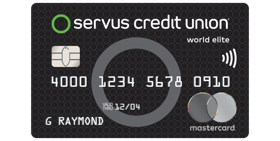
Annual fee
$150
Purchase APR
20.99%
 Servus Credit Union
Best for
Cash Back
Travel Rewards
Premium
Best for
Cash Back
Travel Rewards
Premium
Welcome-offer value
Advertised value estimate, subject to eligibility and provider requirements
$250
Estimated rewards from spending
Based on $1,500 in monthly spending
$360
First-year annual fee
Fee charged during the first year
$150
Estimated first-year card value
Welcome value + spending rewards − first-year fee
$460
View spending and reward-rate details
| Spending category | Monthly spend | Rate | Annual value |
|---|---|---|---|
| Groceries | $450 | 2% | $108 |
| Dining | $300 | 2% | $72 |
| Gas and transit | $150 | 2% | $36 |
| Travel | $75 | 2% | $18 |
| Recurring bills | $75 | 2% | $18 |
| Other purchases | $450 | 2% | $108 |
This is an estimate, not a guaranteed cash return. Actual value depends on spending, eligibility, redemption choices and meeting the provider’s offer terms. Reward rates are treated as estimated cash-equivalent percentages.
Card essentials
Rates, fees and requirements
The important numbers, organized so they are easy to scan and compare.
Annual fee
$150
Primary cardholder
Purchase APR
20.99%
Regular purchase rate
Cash advance APR
—
Cash transaction rate
Balance transfer APR
—
When available
Foreign transaction fee
—
Foreign-currency purchases
Additional card fee
$40
Supplementary cardholder
Before you apply
Eligibility snapshot
Recommended credit score
—
Minimum personal income
—
Minimum household income
—
Approval, rates and credit limits are determined by the card provider.
Showing 10 of 30 cards
RateBuddy
Math. Not Marketing.
We calculate the true value to save you every penny.
Data-Driven Logic
Rankings based on hard numbers (fees vs rewards), not advertising budgets.
100% Unbiased
We highlight the "gotchas" and fees just as clearly as the perks.
Direct & Secure
No data harvesting. We send you straight to the bank's secure official site.
Priceless Experiences & Perks
From everyday shopping flexibility to elite travel benefits, Mastercard offers a diverse range of card tiers tailored to your life.
Costco Acceptance Advantage
In Canada, Mastercard is currently the only credit card network accepted at Costco warehouses and gas stations. For the millions of Canadians who shop there, carrying a Mastercard is essential to avoid paying by debit or cash. This exclusive acceptance makes Mastercard a staple in many wallets, ensuring you can earn rewards on your bulk grocery and fuel purchases.
Global Connectivity
Many World Elite Mastercards include free membership to Boingo Wi-Fi, keeping you connected at over 1 million hotspots worldwide. This includes Wi-Fi on many airlines, in airports, and in urban centers. For travelers, this benefit saves on roaming data charges and keeps you connected to work and family while on the move. It is a modern perk that adds tangible value to your travel experience.
Priceless Cities Program
Unlock access to Mastercard’s "Priceless Cities" program, offering exclusive experiences unavailable to the general public. This includes concert ticket presales, reserved tables at top-tier restaurants, and curated cultural tours in major cities around the globe. It transforms your credit card from a payment tool into a key that opens doors to memorable events and VIP treatment.
RATEBUDDY TOOLKIT
Crunch The Numbers
See exactly how much you can save, earn, or pay off.
Explore the Ecosystem
Discover more ways to save, earn, and optimize your wallet.
Not sure what you need?
Explore other possibilities.
Credit Cards is great, but sometimes a different card fits your lifestyle better. Use our Smart Finder to see what else you qualify for.
Cash Back
Earn money on daily spend.
Travel Rewards
Best for frequent flyers.
SPEC SHEET
Find best cards by features:
Filter our database by the specific perks and coverages that matter to you.
ISSUERS
Browse by Bank & Issuer:
Filter our database to see offers from specific Canadian financial institutions.
LOYALTY PROGRAMS
Browse by Reward Program:
Already collect points? Find the card that accelerates your existing balance.
A little clarity, before you choose
Make the card fit your life.
Explore the bigger picture, check the numbers and find the tradeoffs that matter to you.
The Canadian picture
The Bank of Canada’s 2025 survey estimates that 89% of adults owned a credit card. Credit cards accounted for 48.2% of purchases recorded in its diary by number; 31% of cardholders reported not paying their full balance in the previous month.
Source: Bank of Canada · 2025 Methods-of-Payment Survey (published August 2026)What this means for your comparisonOur interpretation: a card can be an everyday payment tool or an expensive way to borrow. The right comparison starts with how you repay, then considers rewards and benefits.
How do you choose a card that actually fits?Compare the Canadian market through your spending, borrowing costs and everyday needs.
A useful card comparison starts with a question about your life: will this card mainly help you pay, borrow, travel or build a payment history? Those jobs need different comparisons. A large welcome offer can be attractive, but it cannot tell you whether the card will still work for you a year from now.
Read the market in layers
Think of the Canadian card market as several overlapping choices. The issuer sets the account agreement. The payment network affects where the card can be used. A rewards program determines what you earn and how you can redeem it. A benefits package adds services or coverage with its own conditions. Comparing only the network name or the points total leaves important parts of the decision out.
Our analysis is to separate three kinds of value: everyday value, introductory value and borrowing cost. Everyday value comes from spending you would make anyway. Introductory value is temporary and may depend on meeting a spending requirement. Borrowing cost comes from the balance, rate and repayment schedule. A card can look strong in one layer and weak in another.
The Financial Consumer Agency of Canada (FCAC) recommends comparing interest rates, fees, rewards and benefits. It also notes that restrictions, unused benefits and interest can reduce the value of a rewards card. Use that framework, then put your own numbers into it.
| Your main job for the card | Start by comparing | Question to ask |
|---|---|---|
| Everyday purchases paid in full | Net rewards, merchant fit and fees | What will I keep after a normal year? |
| Paying down existing debt | Total repayment cost and time | Can I afford the payment that clears this balance? |
| Travel | Usable redemptions and relevant benefits | Does this work for the trips I actually take? |
| A first or rebuilding card | Manageability, eligibility and account cost | Can I run this account reliably each month? |
Build a normal-year comparison before adding a bonus
Take a few recent statements or a household budget and group the purchases you can actually put on the card. Do not include rent, taxes or other bills automatically: first check whether the payee accepts the card and charges an extra fee. Separate grocery, dining, fuel, transit and general spending where the offer uses different earning rates. Include the months when your spending falls, not just your busiest month.
Worked example: a bigger rate is not automatically a better result
Suppose your eligible annual spending is $18,000. A hypothetical no-fee card earning 1.5% on all of it returns $270. A second hypothetical card earning an effective 2% after its category mix returns $360, but costs $120 a year. Its normal-year result is $240.
$360 rewards − $120 fee = $240, compared with $270 on the no-fee alternative.
Without other usable benefits, the higher-rate card leaves you $30 behind. A one-time bonus might change the first-year result; it does not change this renewal-year comparison. These assumptions exclude interest, other fees and spending caps.
Compare an ordinary month and a difficult month
For someone who pays in full, everyday rewards may be the deciding factor. For someone who expects to carry debt, run a separate repayment comparison first. Mixing hoped-for rewards with uncertain borrowing costs can hide the more important issue. Use an affordable payment amount and allow for a month when income or expenses change.
For business spending, also consider who can use the account, how employee purchases are controlled and whether statements support your records. A rewards advantage is less useful if account administration becomes difficult. For travel, check merchant acceptance and conversion costs on the route you expect to use, rather than assuming every card is equally convenient abroad.
Keep the final decision grounded
Compare the card with your current setup, not just the other advertised offers. Write down the main reason for changing and the condition that would make you reconsider at renewal. Keep a copy of the offer you relied on. Where a provider welcome offer and a RateBuddy rebate both appear, track their requirements separately; neither should be treated as already earned in your recurring-rewards estimate.
A useful choice: the card should improve a job you already need done, at a cost and level of effort you can sustain.
Do you need more than one credit card?Understand when a second card adds useful value and when it adds work.
A second card is useful when it has a clear job. It might improve a spending category, provide a backup where your main card is not accepted or separate business purchases. Owning more cards does not, by itself, mean you have a better setup.
Look for complementary roles
Start with what your current card does poorly. If it already earns useful rewards on most purchases, a second card needs to fill a meaningful gap. Two cards with similar fees, rewards and benefits may add very little. A backup may be helpful, but judge its value alongside the cost and work of another account.
Merchant acceptance should be checked where you shop. Holding different networks can offer alternatives, but no particular combination guarantees acceptance everywhere. For travel, keep the backup usable and accessible; two cards that are both unavailable during an account issue do not provide the resilience you expected.
Worked example: measure the extra value only
Suppose $6,000 of annual spending currently earns 1%. Moving exactly that spending to a second hypothetical card earning 3% adds $120 in gross rewards. With a $60 annual fee, the extra value is $60 a year, assuming all purchases qualify and both cards are paid in full.
$6,000 × (3% − 1%) − $60 = $60 of additional annual value.
Counting all $180 earned on the second card as a gain would ignore the $60 you already earned on the first. Consider whether the remaining $60 is worth managing another statement and payment date.
More available credit does not remove the debt
FCAC notes that credit applications can create hard inquiries, and closing an older account can reduce available credit and affect credit history. Those effects depend on the overall file. Avoid interpreting a new limit as a guaranteed improvement in your score.
As arithmetic, a $1,000 balance against $4,000 of total limits is 25% utilization. Adding an unused $2,000 limit changes that ratio to about 16.7%, while the debt remains $1,000. Closing that added account returns the ratio to 25%. This example explains the ratio, not a predicted score movement or a reason to apply for unnecessary credit.
Design a routine you can actually maintain
Assign each card a simple role and review the combined total, not just each account in isolation. Two balances of $750 are still $1,500 of spending. Keep enough funds available for payments, check statements for errors and set reminders that leave room for processing time. Automation is useful only when the funding account can support it.
Reward caps, renewal dates, supplementary-card fees and subscription payments are easy to overlook across several accounts. Keep a small record of each card’s main purpose and annual cost. Review whether it earned enough incremental value over the last year, rather than renewing because it once had a strong welcome offer.
Adding and closing accounts both need thought
A card you rarely use may still have fees, recurring charges or rewards that need attention. Before closing one, check those items and the issuer’s process for settling the balance. A product switch may be an option, but ask how it affects fees, benefits and rewards instead of assuming the old terms carry over.
Do not build a strategy around repeatedly collecting welcome bonuses without reading eligibility restrictions. Aeroplan’s program terms, for example, address misuse of new-card bonuses across products and institutions. A welcome offer is subject to its rules; it is not a reliable substitute for recurring value.
A manageable setup: every card has a purpose, its extra value is measurable and the combined payments fit your budget.
PAYMENT NETWORKS
Browse by Network:
Filter by Visa, Mastercard, or Amex acceptance.
CARD LEVELS
Browse Cards by Tier:
From entry-level options to exclusive black cards. Find the eligibility level that fits you.
KNOWLEDGE BASE
Frequently Asked Questions
Common questions about Compare Top Rated Mastercards Cards and financial strategy.
Disclaimer: Information is for educational purposes only and does not constitute financial or legal advice. Terms subject to change by issuers.
A cash advance occurs when you withdraw cash from an ATM using your credit card or transfer funds from the card to a bank account. These transactions typically incur a fee (e.g., $5) and interest starts accruing immediately (no grace period), often at a higher rate than purchases.
Providing your Social Insurance Number (SIN) is usually optional for credit card applications, though it can help the issuer verify your identity and locate your credit file more accurately. You can generally apply without it, provided you supply other identification details.
Credit card networks (Visa/Mastercard) set their own daily exchange rates, which are generally very close to the market rate. However, unless you have a No-FX fee card, the issuer adds a surcharge (usually 2.5%) on top of this rate, which is why the total cost is higher than the spot market rate.
Most Canadian credit cards charge a fee (typically 2.5%) on top of the exchange rate for any transaction made in a currency other than Canadian dollars. Cards marketed as 'No Foreign Transaction Fee' generally waive this 2.5% surcharge, though the exchange rate itself is still determined by the card network (Visa/Mastercard/Amex).
It might. Cancelling an older card reduces your 'Average Age of Accounts,' which is a factor in your credit score. It also reduces your total available credit, which could increase your utilization ratio. If the card has no annual fee, it is often better to keep it open and use it occasionally to keep the history active.
Still have questions?
Visit our Financial Education Hub
FINANCIAL WELLNESS
Tools & Resources
Master your money with our suite of free calculators and guides.